The Tariff Transformation: Navigating the New Global Trade Lanes
"As major economies pivot toward protectionism and digital sovereignly, the global supply chain is being rebuilt in real-time."
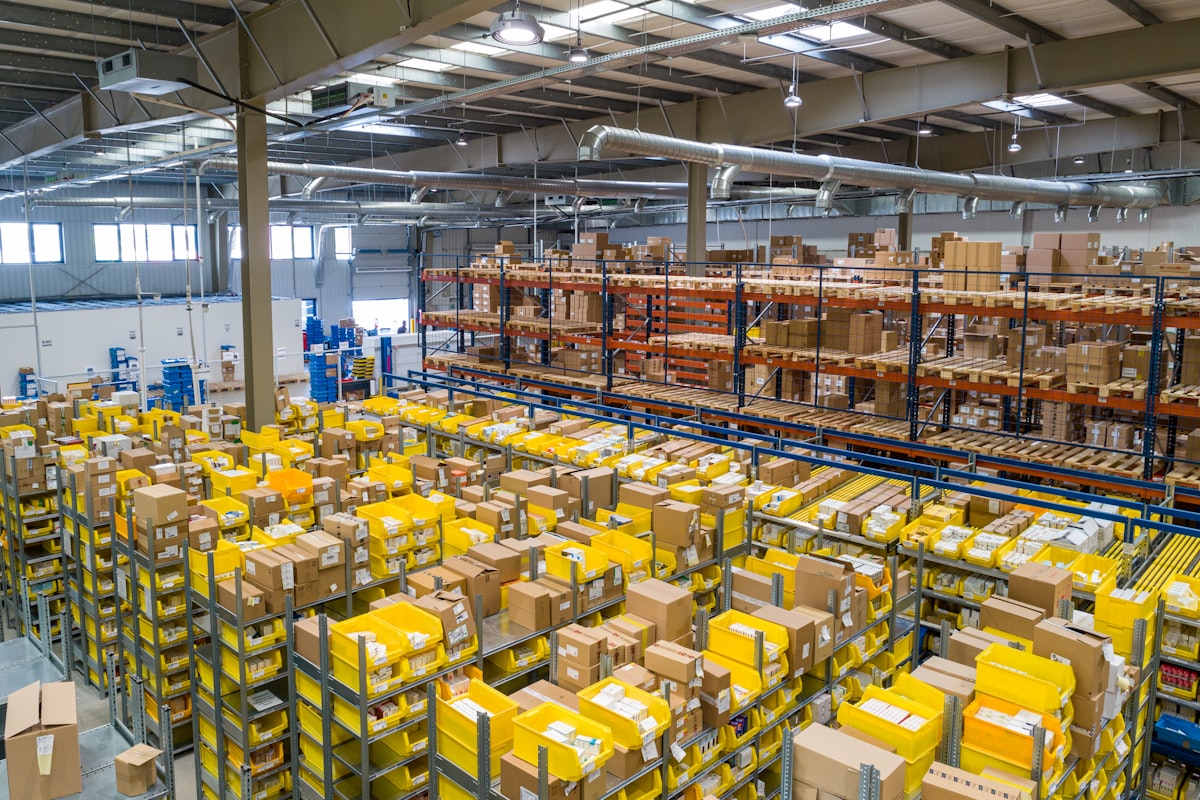
The global trade map of 2026 looks nothing like the one from 2016. In the first quarter of this year, a flurry of new trade policies and “security-first” tariffs has officially signaled the end of the hyper-globalized era. From Washington to Beijing and Brussels, the priority has shifted from “efficiency at all costs” to “resilience at home.”
The Rise of ‘Strategic Reciprocity’
The buzzword in Nuuk and Davos this year is Strategic Reciprocity. Nations are no longer treating trade as a purely economic activity but as a tool of national security. The United States has recently implemented a tiered tariff system targeting high-tech components, specifically aiming to “friend-shore” semiconductor and battery production to allied nations in Southeast Asia and North America.
While critics warn of inflationary pressure, proponents argue that the “Security Premium”—the extra cost paid for domestic manufacturing—is a necessary insurance policy against future supply chain shocks.
Digital Sovereignty Tariffs
A new and controversial development in 2026 is the “Data Border Tax.” Countries are beginning to tax the export of raw data and the import of AI services processed outside their borders. The European Union’s latest directive requires AI models trained on European data to be hosted on servers physically located within the EU, or face significant “Carbon and Data Levies.”
This is forcing tech giants to build smaller, localized data centers rather than relying on a few massive global hubs. It marks the birth of “fragmented internet,” where the digital experience is increasingly defined by national borders.
The Winner: Regional Hubs
In this new environment, regional powerhouses are thriving. Mexico, Vietnam, and Poland have seen record-high foreign investment as companies move their “just-in-time” factories closer to the final consumer. The era of the 10,000-mile supply chain is being replaced by the “Regional Loop.”
As the year progresses, the success of these policies will be measured not just by GDP, but by the “Resilience Index”—how well a nation can function when the global music stops.
Key Takeaways
- Resilience over Efficiency: Global trade is prioritizing secure supply chains over the lowest possible production cost.
- Friend-Shoring: Manufacturing is moving to politically aligned neighboring countries.
- The Data Tax: New levies on data and AI processing are creating physical borders in the digital world.
- Inflationary Pressure: Rebuilding domestic industry is causing short-term price increases for consumer goods.

The Information Today Editorial Team
Our editorial team consists of veteran journalists and domain experts dedicated to uncovering the truth. We provide unbiased, independent analysis on science, technology, and global trends to help our readers stay ahead in a rapidly changing world.
Related Articles
View all
Gateway to the Stars: Artemis IV and the New Era of Lunar Habitation
NASA's Artemis IV mission marks a pivotal shift as humanity prepares to live and work in permanent orbit around the Moon.

The Antarctic Influence: Why the Outcome of COP31 matters more than its Location
With Türkiye as host and Australia leading negotiations, the COP31 summit faces a unique challenge in bridging the gap between major emitters and vulnerable islands.

The Compliance Clock: How the EU AI Act enters its Crucial Enforcement Phase
As the first major deadlines for high-risk AI systems approach, global companies are racing to comply with the EU's landmark AI legislation.