The Unexpected Shift: Rural Revitalization in the 2020s
"Contrary to expectations, smaller towns are seeing a resurgence as remote work and high city costs drive a new generation back to the country."
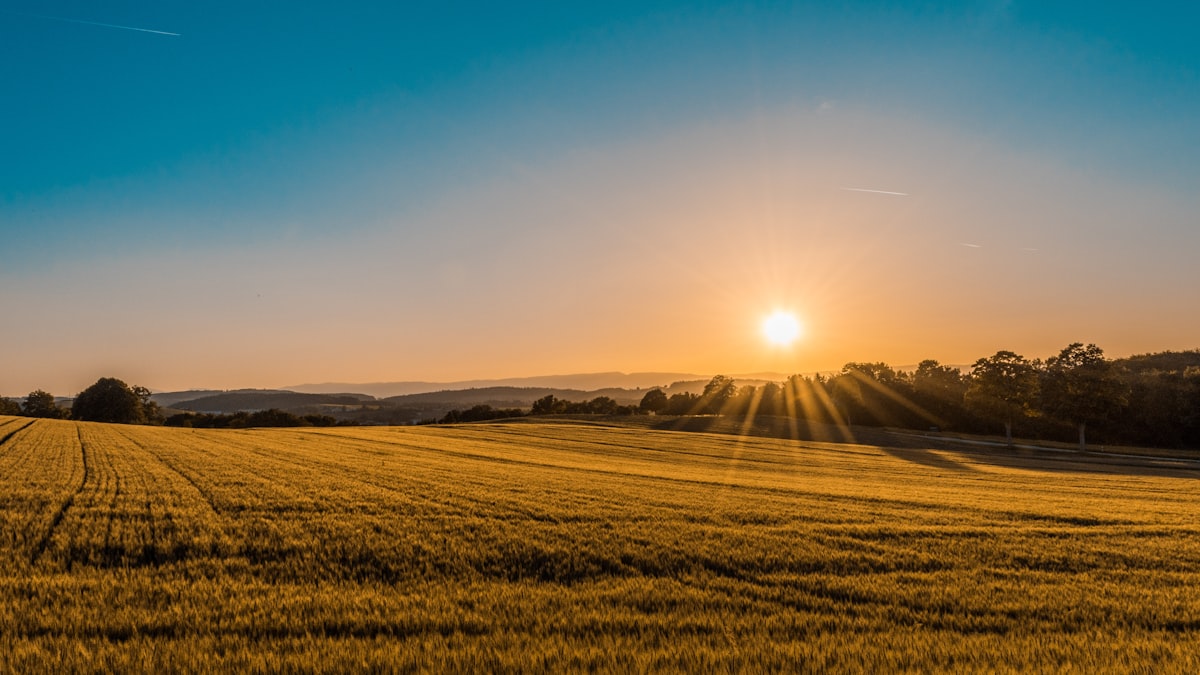
For nearly a century, the dominant narrative of global demographics was one of urbanization. Young people left the countryside for the city, seeking jobs, culture, and connection. But in 2026, the data is telling a different and unexpected story. Small towns and rural communities across North America and Europe are experiencing their fastest growth rates in decades, driven by a phenomenon sociologists are calling the “Great Decentralization.”
The Connectivity Catalyst
The primary driver of this shift is, unsurprisingly, technology. The universal rollout of heavy-bandwidth satellite internet has finally bridged the “digital divide.” With the ability to work from anywhere with gigabit speeds, professionals no longer need to be tethered to urban offices.
“I used to spend three hours a day commuting,” says Sarah Jenkins, a software architect who moved from San Francisco to a town of 2,000 in Montana. “Now, I work from my porch looking at the mountains, and I’m more productive than ever.”
This freedom has allowed a demographic previously locked into city living—tech workers, creatives, and consultants—to seek out affordable housing, proximity to nature, and a slower pace of life.
Economic Impact: Beyond the ‘Zoom Town’
Initially, there was fear that these newcomers would create “Zoom Towns”—hollow communities where wealthy remote workers lived in bubbles, driving up prices without contributing to the local economy. However, the reality has been more nuanced and positive.
This “reverse migration” is bringing much-needed tax revenue and talent to areas that had been in economic decline for generations. We are seeing a ripple effect:
- Main Street Revival: New residents create demand for coffee shops, co-working spaces, and artisanal bakeries.
- Local Entrepreneurship: Many transplants are starting their own local businesses, from organic farms to boutique manufacturing.
- School Enrolment: Rural schools, which faced closure due to shrinking populations, are seeing their classrooms fill up again.
Preserving Character and Managing Growth
The transition is not without its friction. The sudden influx of wealth and new cultural norms can create tension with long-time residents. Housing prices in some popular rural counties have spiked by 40% in two years, pushing out locals.
“The challenge is managing growth without losing the very ‘rural charm’ that attracted people in the first place,” notes Dr. Alan Grant, a rural policy expert. “Communities need smart zoning and inclusive planning to ensure that this revitalization benefits everyone, not just the newcomers.”
Innovative collaborations are emerging to bridge the divide. Some towns have implemented “community land trusts” to keep housing affordable, while others host regular town halls to foster dialogue between old and new residents.
A New Geography of Life
The great urban exodus of the mid-2020s is reshaping the geography of work and life. It suggests a future where high-quality careers and high-quality living environments are no longer mutually exclusive. As we move forward, the definition of “success” is shifting from the corner office in a skyscraper to a connected life in a thriving community—wherever that may be.

The Information Today Editorial Team
Our editorial team consists of veteran journalists and domain experts dedicated to uncovering the truth. We provide unbiased, independent analysis on science, technology, and global trends to help our readers stay ahead in a rapidly changing world.
Related Articles
View all
Gateway to the Stars: Artemis IV and the New Era of Lunar Habitation
NASA's Artemis IV mission marks a pivotal shift as humanity prepares to live and work in permanent orbit around the Moon.

The Antarctic Influence: Why the Outcome of COP31 matters more than its Location
With Türkiye as host and Australia leading negotiations, the COP31 summit faces a unique challenge in bridging the gap between major emitters and vulnerable islands.

The Compliance Clock: How the EU AI Act enters its Crucial Enforcement Phase
As the first major deadlines for high-risk AI systems approach, global companies are racing to comply with the EU's landmark AI legislation.